Enterprise CRM Integration
CRM (Customer Relationship Management) is a system used to manage and maintain customer data, including interactions and purchase history. CRM software enables businesses to collect and analyze customer interactions and data across the entire customer lifecycle. As a result, organizations can deliver a more personalized customer experience, improve service quality, strengthen business relationships, and drive revenue growth. Today, CRM is no longer just a user-friendly tool. It is a powerful platform for managing the entire customer experience and building a competitive advantage.
What is CRM?
CRM is much more than relationship management. It helps your company transform from a business process–focused mindset to a customer-centric mentality by progressing from legacy customer relationship management to modern-day customer experience.
How CRM can help your business?
Customers today seek out brands that mirror their personal values. They want to buy from brands that respect and protect their data and use it to deliver tailored experiences. They want convenience and the ability to interact with you however and whenever they choose. They expect you to deliver on your promises—every single time. Customers are at the heart of your business. They are at the center of growth, propel you forward, and drive shareholder value. And their high expectations of you mean that your business needs to be able to deliver a high standard of customer experience (CX).
CRM in business – the biggest challenges
Siloed programs
Over the years, CX initiatives are driven by different teams: marketing, commerce, sales, and service teams. And while many of these groups have been extremely successful in their realm, organizations often struggle to “reach across the aisle” and keep customers’ experiences consistent, personalized, and differentiated across silos.
Disconnected data
When programs live in separate parts of the organization, so does the customers’ data. This means each business unit only has a slice of the data it needs to fully meet a customer’s expectations. As a result, organizations may have trouble identifying their best customers, recognizing them across channels, and engaging them in relevant ways.
Disparate technologies
As stand-alone customer experience programs kick off, different departments buy different technologies. These systems often aren’t integrated and aren’t capable of sharing data internally to offer the customer an experience that feels cohesive.
CRM and business systems integration
Running a successful modern business requires much more than a single system. While CRM plays a central role in managing customer relationships, its real value emerges when it is integrated with other key business systems. Together, these systems create a connected ecosystem that enables efficiency, visibility, and better decision-making across the organization.
A successful business is no longer driven by isolated systems but by a well-integrated technology ecosystem. CRM is a key component, but its true power is unlocked when connected with:
A successful business is no longer driven by isolated systems but by a well-integrated technology ecosystem. CRM is a key component, but its true power is unlocked when connected with:
ERP
Contact Center
E-commerce
Logistics
Marketing
Other key business systems
CRM (Customer Relationship Management)
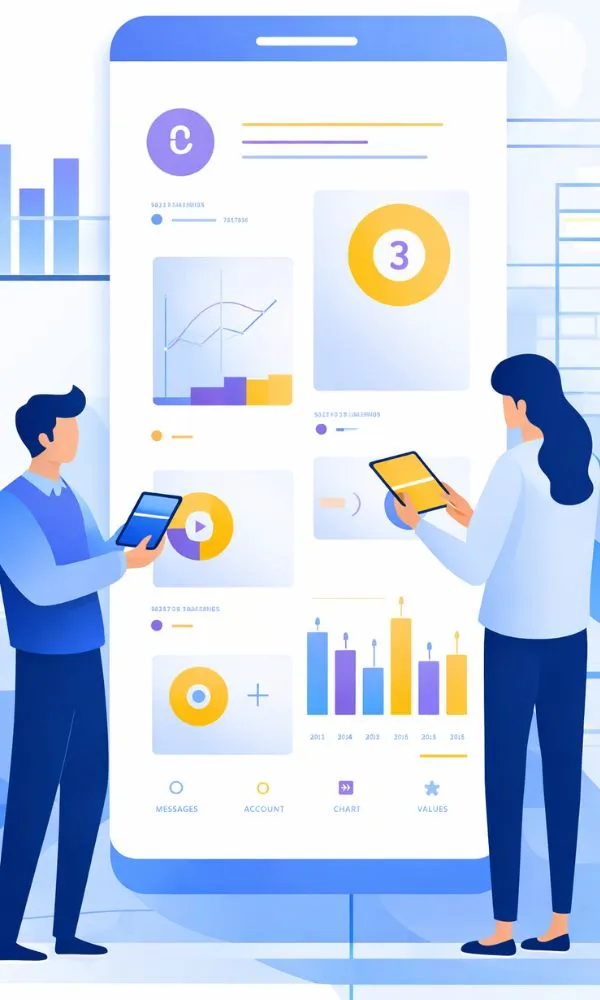
The CRM system acts as the central hub for customer data. It stores information about leads, customers, interactions, and sales history. When integrated with other systems, CRM becomes a powerful engine for personalization, sales optimization, and customer service excellence.
Contact Center
Integrating CRM with contact center platforms ensures that every customer interaction (whether via phone, chat, social media or email) is supported by real-time customer data. This leads to faster issue resolution, improved satisfaction, and a consistent customer experience across all channels.
ERP (Enterprise Resource Planning)
ERP systems manage core business processes such as finance, billing, accounting, procurement, and production. Integration with CRM allows seamless data flow between sales and operations, for example, enabling sales teams to check order status, inventory, or billing information without leaving the CRM environment.
E-commerce / Online Store Platforms
For businesses operating online, integrating CRM with e-commerce platforms is essential. This connection allows companies to track customer behaviour, purchase history, and preferences, enabling personalized marketing, better product recommendations, and improved conversion rates.
Logistics and Supply Chain Management Systems
Logistics systems handle inventory, warehousing, shipping, and delivery processes. Integration with CRM and ERP ensures that customer-facing teams have visibility into order fulfilment status, delivery timelines, and potential issues helping to proactively manage customer expectations.
Marketing Automation Tools
Marketing platforms manage campaigns, lead generation, and customer engagement. When integrated with CRM, they allow for precise targeting, automated workflows, and tracking of the entire customer journey from first contact to conversion and retention.
Business Intelligence (BI) and Analytics Tools
BI tools aggregate and analyze data from multiple systems to provide actionable insights. Integration across CRM, ERP, marketing, and operations enables organizations to make data-driven decisions, identify trends, and optimize performance.
Human Resources (HR) Systems
Although often overlooked, HR systems play an important role in managing employees, especially in service-oriented organizations. CRM and HR integration can support workforce planning, performance tracking, and resource allocation in areas like customer support or sales.
Product Information Management (PIM) Systems
For companies managing large product catalogues, PIM systems centralize product data. Integration with e-commerce, CRM, and marketing tools ensures consistent and accurate product information across all customer touchpoints.
CRM and Contact Center Integration: Building a Unified Customer Experience
Integrating a CRM system with a contact center is one of the most important steps toward delivering a modern, consistent customer experience. As customer expectations continue to rise and communication becomes increasingly omnichannel, organizations must ensure fast access to information, personalized interactions, and operational efficiency. Connecting these two technological areas enables companies to achieve all of these goals. In practise, thanks to integration agents have real-time access to complete customer data during every interaction.
Key Benefits of CRM and Contact Center integration
One of the most significant advantages is improved customer service quality. When agents receive calls or messages, they can instantly view the customer’s history, previous issues, and transactions. This allows for faster problem resolution and more personalized communication.
Another major benefit is increased team efficiency. Automating processes such as ticket creation, case assignment to the right person, and data logging reduces operational time and minimizes errors. Integration also eliminates the need to switch between systems, improving agent productivity and comfort.
Enhanced analytics is another important outcome. Combining CRM and contact center data enables more accurate reporting, better understanding of customer behaviour, and identification of trends. This empowers organizations to optimize processes and make more informed business decisions.
Challenges of CRM and Cotnact Center Integration
Integration often requires organizational changes in internal processes. Despite its many benefits, integrating CRM with a contact center can present challenges especially in the area of transactional and telco data. One common issue is system compatibility—not all platforms integrate especially when legacy systems are involved. In such cases, additional integration tools or APIs may be required. Data management is critical concern. Information must be synchronized in real time while maintaining high security standards. Compliance with data protection regulations, such as GDPR, is essential to ensure customer data is handled responsibly.
To ensure a successful integration, organizations should begin with analysis of business needs and customer service processes. Choosing technologies with open APIs and strong integration capabilities is crucial. A phased implementation approach is recommended. Instead of a full-scale rollout, companies can start with selected teams or communication channels, test the integration, and gradually expand it. Proof of Concept (PoC) projects often prove effective. PoC mitigates risk and allows for the evaluation of the value of an integrated environment.
Connectors and Ready-Made CRM and Contact Center Integrations
Sinch is a global leader in communications. For CRM systems, sales, customer service, and marketing tools, the company provides an advanced and secure AI-infused Super Network, APIs, and applications to facilitate reliable and secure customer connections. Sinch offers ready-made, certified integrations with SAP, Salesforce, Zendesk, Microsoft Dynamics 365, ServiceNow, and other solutions.
Find out how customers use our products, services and SAP technology. Welcome to contact!


Products
SAP Customer Experience
SAP Field Service Management
SAP Conversational AI
SAP Intelligent Robotic Process Automation
Sinch Contact Pro
VoIP Infrastructure
1trust Service
Services
Implementations
Project management
Integration and Support
About us
Company and team
Partners and technologies
News