
What is omnichannel marketing?
Omnichannel marketing is a strategy that connects every customer touchpoint—from physical stores and websites to email, WhatsApp, live chat, and other digital channels—into one seamless experience. Instead of operating in silos, all channels share customer data and interaction history, allowing conversations to continue naturally regardless of where they began. This is what sets omnichannel apart from a traditional multichannel approach. Rather than forcing customers to repeat themselves every time they switch channels, businesses can provide consistent, personalized interactions at every stage of the customer journey. The business impact is significant: omnichannel customers spend up to 1.7 times more than single-channel customers and typically engage with brands through nine different channels during their journey.
In this guide, you’ll learn what an omnichannel strategy includes, why it delivers better customer experiences and business results, how to build an effective omnichannel ecosystem in six practical steps, and which metrics to track to measure its success. The insights are based on Comtrust’s experience implementing integrated CRM, marketing automation, and contact center solutions.
In the perfect omnichannel world:
- data follows the customer across all channels
- messages are personalized
- the frequency of contacts takes into account the customer’s preferences
- The customer receives brand communication the way and time he likes and on his favourite channels.
Inconsistent experiences lead to confused, frustrated customers and as a result, loss of customers. Why is what is simple in theory difficult in practice?
- Customers expect a consistent experience across all channels when interacting with a brand. Unfortunately … some customers enjoy frequent communications from brands, while others find it discouraging.
- Getting the right balance in messaging frequency and relevance is very important for meeting customer expectations.
- Doing omnichannel well takes IT technology, integration of business and communication data (CRM, marketing automation tools and contact center integration is usually required)
- The scale of operations, channels diversity, and the huge amount of data require advanced automation.
- Data unification across disparate IT systems is essential for driving accurate marketing campaigns.
- Artificial intelligence is essential to support segmentation, time synchronization and routing.
What is omnichannel marketing?
Omnichannel marketing solves the biggest challenges with campaign execution and, simply put, means using various channels and platforms to consistently promote your business.
Customers turn to an average of nine different channels to communicate with companies. The key goal is to use multiple channels together in a coordinated way and put the customer in the center. This will help you build stronger relationships to generate more sales.
What main communication channels does omnichannel marketing use?
- Social media. Businesses use social media posts, ads, and messaging to connect with customers and keep their attention. It builds brand awareness, community, and customer loyalty.
- A website. A well-designed website with clear calls-to-action can bring visitors across the finish line of converting to customers.
- Email. Email campaigns nurture leads, promote products, and keep subscribers engaged.
- Push notifications deliver alerts, promotions, and updates right to a customer’s mobile device to drive app engagement and conversions.
- SMS and MMS. Text messages have high open rates. They’re perfect for time-sensitive offers, appointment reminders, and customer service interactions.
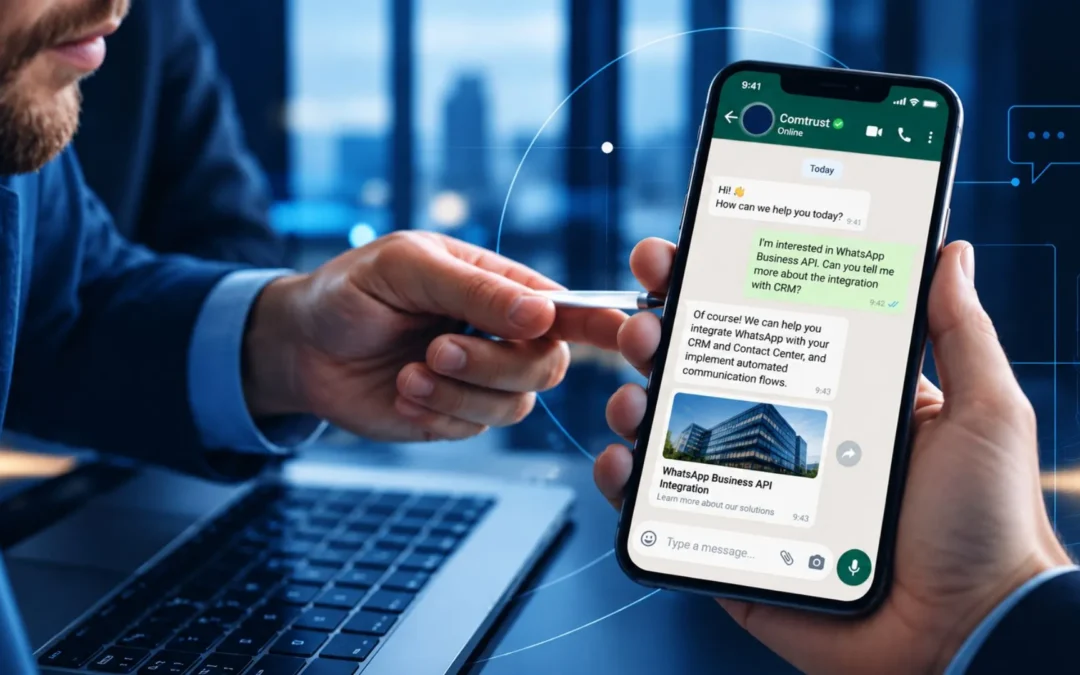
- New channels like WhatsApp, Messenger, RCS, and other channels enable real-time conversations with customers, with the ability to share photos and interactive content. All of this helps keep the conversation going.
- Live chat. It’s a convenient and effective way for customer service – your customers receive help when they really need it, without leaving your website.
What are the benefits of omnichannel marketing?
Let’s face it – customers expect a lot from brands. We are also customers ourselves and expect personalized experiences and consistency across all interactions.
An omnichannel approach is perfectly in line with what modern consumers are looking for. And this approach is especially important if customers mix shopping point – customers might research products online, next visit physical stores for a closer look, and then finally make their purchase through a mobile app or website.
Benefits of omnichannel approach
- Unified customer experience. With an omnichannel approach, customers get a consistent experience across all channels. Considering that 26% of consumers avoid brands that bombard them with messages, you must choose an approach that respects customer preferences across channels. It should be consistent, build trust, and makes it easy for them to engage with your brand.
- Personalized experiences. By using data from multiple channels, you can really get to know your customers – what they like, how they behave, etc. Personalized interactions result in higher engagement and sales.
- Improved brand visibility. An omnichannel strategy helps get your brand out there. When your message is consistent across all channels, more people may remember it. More exposure equals more brand awareness.
- Increased revenue. When you provide a smooth experience across channels, customers are more likely to buy. If they feel valued, they will be happy to spend more money.
- Better data. Integrating business data with contact center data brings data together in one place, resulting in better decisions and optimization.
- Having a competitive advantage. Using an omnichannel strategy will set you apart from your competitors. It will help you attract and retain customers, outperforming your competitors.
- Brand loyalty. Customers stick with you when you provide a great, personalized customer experience across all channels. They’ll keep coming back to a brand that understands their needs and makes their life easier.
Companies that combine customer data, automation, and conversational messaging can improve the customer experience, increase engagement, and generate more revenue through stronger long-term relationships. Learn how to build an omnichannel marketing strategy by integrating the SAP Engagement Cloud marketing automation platform with Sinch messaging solutions.
How to build your omnichannel marketing strategy
Planning is key to build a strong omnichannel marketing strategy. Here’s a straightforward six-step process to get you started on creating a cohesive customer experience across all your channels.
- Identify the target group and right channels
Building an effective omnichannel marketing strategy relies on understanding and identifying where and on which platforms your ideal customers spend their time. This is where they seek information and entertainment. The first step is to use social listening tools to track online mentions of your brand and competitors. This will help you identify the platforms where your target audience is already active. Also, analyze your competitors’ strategies. Are they dominating specific social media platforms? This will indicate where your target audience is active. And the most important step – go straight to the source, i.e., gather customers feedback through surveys. Ask your customers about their preferred communication channels – email, social media, and even brick-and-mortar stores. With this strategy, you reach your ideal customers across various (and their) platforms without wasting resources on irrelevant channels.
- Create a consistent brand message
A strong omnichannel strategy relies on a cohesive brand message and all marketing channels should reflect your values and unique brand personality. While you may vary the presentation based on context, the essence of your communications should remain consistent, regardless of where customers encounter your brand. This includes channels like instagram, email, your website, in-store displays, SMS. Each channel has its own strengths and limitations. For instance, a lengthy offer might not work well on an Instagram snippet, so you need to adapt the message format and length to suit each platform. By mastering this balance, you can create a unified and recognizable brand presence.
- Segment and personalize
By segmenting your audience and personalizing your communications with automation tools, you’ll build stronger relationships with your customers. If you provide your customers with personalized content and offers tailored to their individual needs and preferences, they’ll feel like you understand they and their needs. And that increases sales.
How to do it? Use what you know from CRM about each customer to tailor your messaging and offers to their specific preferences. There are so many ways you could divide your customer base. You could segment your customers based on their past purchases, browsing behawior and demographic information. Then, send targeted email campaigns with personalized product recommendations or special discounts for their next purchase or birthday offer. The more relevant and personalized your messaging is, the more likely customers are to engage with it.
- System and Data Integration
To ensure seamless communication and a consistent customer experience across all channels, IT systems and data integration is essential. Your CRM system should be integrated with the website, contact center, mobile app, social media, and other marketing tools. This ensures customer data is always up-to-date and available in one place, facilitating analysis and personalization of messages.
- Stay relevant and focus on the customer experience
Your communication strategy is not just about promoting your products or services, but it is about creating a positive experience that will increase customer retention.
One way to do this is to stay current with industry trends and customer preferences. This helps you tailor your messaging and offers and better solve customer pain points.
Another aspect is focusing on the customer experience. Every interaction a customer has with your brand should be positive and effortless. This is where tools like conversational AI can be a game-changer. Virtual agents provide instant, personalized support to your customers. It boosts satisfaction and loyalty in the process and reduces customer churn.
Many CX leaders plan to integrate generative AI into multiple customer touchpoints in the next couple of years. It’s likely to influence areas like chat-based customer support, email communications, search functionality, and voice-based interactions.
- Measure and optimize
How can you be sure your omnichannel marketing strategy is working well? Simply you should closely monitor key performance indicators (KPIs), such as:
- Customer engagement: Metrics like click-through rates (CTR) and time on site can show you how well your content resonates with your audience.
- Conversion rates: Track how many users take desired actions like making a purchase or signing up for a newsletter.
- Return on Investment (ROI): Measure the financial return of your efforts relative to the costs.
- Customer lifetime value (CLV): Assess the total value a customer brings to your business over the entire relationship.
These metrics not only show how well your omnichannel efforts click with your audience but also highlight critical gaps in channel integration, allowing you to refine and enhance your overall performance.

How do you optimize your omnichannel marketing strategy?
- A/B testing: This involves comparing two versions of a marketing asset, like an email subject line or landing page and then, implementing the better variation based on your chosen KPIs. Consistent A/B testing can lead to incremental improvements in your omnichannel performance.
- Comprehensive marketing platform: A centralized platform can help you gather customer data, track KPIs, and conduct A/B tests across multiple channels. And an integrated solution can help streamline your efforts and make sure all your channels are working in harmony!
- Data – collect data from multiple touchpoints and analyze it in one place.
What is in the future of omnichannel world
Customer behavior, technology, the market, and competition are evolving and sometimes changing fast. Here are four current trends that will help you keep your marketing strategy fresh.
- The customer journey is omnichannel. Customers today jump between online research, social media inspiration, in-store experiences, and mobile purchases. And while email is usually the most preferred channel for communications, combining messaging channels like MMS, WhatsApp, RCS can give your business an edge. A successful omnichannel strategy recognizes that customer journeys are fluid and delivers across all touchpoints.
- Omnichannel customers are better customers. Omnichannel customers shop and spend 1.7 times more than single-channel customers. It’s safe to say that creating a unified experience that fosters brand loyalty and repeat business needs to be a priority.
- Combining artificial intelligence and human potential. AI chatbots and marketing automation are here to stay, but human interaction is still key. An omnichannel marketing strategy that prioritizes human connection while using technology for efficiency is the future.
- Trust is everything. A positive omnichannel experience builds trust. Anticipate and address customer needs across channels to build brand loyalty and encourage them to keep coming back.
FAQ – Frequently Asked Questions About Omnichannel Marketing
What is the difference between omnichannel and multichannel?
Multichannel refers to a brand’s presence across multiple communication and sales channels that operate independently of one another. Omnichannel, by contrast, connects those channels through shared data, systems, and processes to create a seamless customer experience. The difference is most noticeable from the customer’s perspective. In a multichannel model, customers often need to repeat the same information each time they switch channels. In an omnichannel model, their interaction history follows them, allowing every touchpoint to build on previous conversations.
What are some examples of omnichannel marketing?
A common example is a customer who discovers a product through a search engine, tries it in a physical store, purchases it via a mobile app, and collects the order in-store using a click-and-collect service. Another example is a customer who starts a conversation through a website chat and later continues it with a customer service consultant by phone. Because the consultant has access to the complete conversation history, the customer doesn’t need to repeat any information.
What is an omnichannel campaign?
An omnichannel campaign is a coordinated marketing campaign delivered across multiple channels—such as email, SMS, RCS, social media, and mobile apps—where both the messaging and the timing are tailored to each customer’s preferences and behavior. Unlike separate campaigns run independently in each channel, an omnichannel campaign uses customer interactions in one channel to determine what messages are delivered through the others.
What is omnichannel in e-commerce?
In e-commerce, omnichannel connects an online store with physical stores and customer service channels, ensuring that inventory data, order history, and customer records are shared across the entire business. This enables services such as click and collect, in-store returns for online purchases, and consistent customer support regardless of where the purchase was made.
What systems are needed to implement omnichannel?
Successful omnichannel strategies rely on several integrated technologies. A CRM system provides a single source of customer data, a marketing automation platform manages audience segmentation and campaign delivery, and a contact center platform supports customer interactions across channels such as phone, email, live chat, WhatsApp, and RCS. These systems must work together seamlessly to provide a consistent customer experience across every touchpoint. Comtrust delivers integrated omnichannel solutions based on SAP and Sinch technologies.
Author:
Joanna Pytlakowska
VP Sales & Marketing, Comtrust


Find out how customers use our products, services and SAP technology. Welcome to contact!


Products
SAP Customer Experience
SAP Field Service Management
SAP Conversational AI
SAP Intelligent Robotic Process Automation
Sinch Contact Pro
VoIP Infrastructure
1trust Service
Services
Implementations
Project management
Integration and Support
About us
Company and team
Partners and technologies
News